A Skincancer 101. Featuring insights from David Whiteman PhD and Ade Adamson MD
This blog contains some key insights from my recent podcast episode with skin cancer researchers David Whiteman PhD and Ade Adamson MD - both of whom are doing some big work in this research area and towards sound health policy to address skin cancer. Thank you both for agreeing to be a part the roundtable podcast discussion and for helping fact check this post. Shout out also to Michelle Wong PhD (Labmuffinbeautyscience, and the sunscreen queen of the interwebs from my POV) for also giving this post a proof read!
There’s a lot to unpack with skin cancer and prevention. It’s a huge and complicated topic, and some of the messaging has been oversimplified to the point of problematic - especially when discussing skin cancer rate in different populations. This post will help you cut through the noise. For loads more, definitely check out the podcast associated with this post!
TLDR:
Sun protection is important to prevent skin cancer, but importance varies greatly on the population group, i.e., it is more important for white individuals than people of color.
Risks vs benefits also vary greatly. Some groups may be more prone to vitamin D deficiency (e.g. darkly pigmented individuals) due to excess sun protection. Australia now has guidelines for sun protection graded by skin tones (coming up).
Rates of skin cancer undoubtedly vary by ancestry. Skin cancer in people of color is generally not related to sun exposure...
A 101 on Skin Cancer
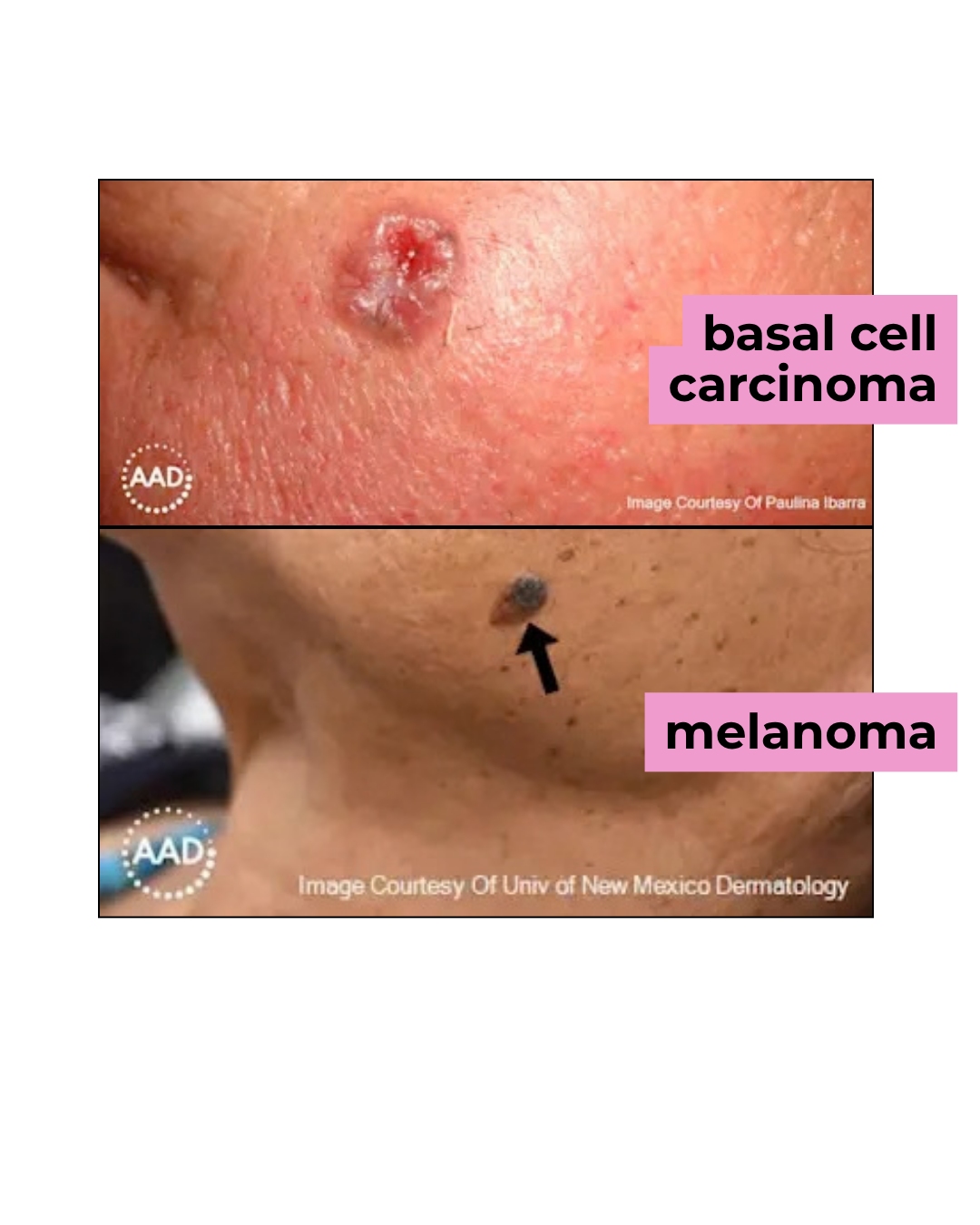
Skin cancer is not one disease. It's a catch-all name for multiple different kinds of cancer.
The most common types:
keratinocyte cancers - arise from the most common cells in the skin, the ones that make our body lining. These are basal cell cancers and squamous cell cancers or carcinomas more technically.
melanomas - less common, but typically more aggressive. These arise from pigment producing cells in the skin.
These are the most common, but there are rarer forms too, such as Merkel cell carcinomas and various kinds of lymphomas that arise from different cells in the skin, which is a very complex organ.
The most important modifiable risk factor for the development of skin cancer is sun exposure. That relationship is strongest for keratinocyte carcinomas, namely squamous cell carcinomas and basal cell carcinomas, and melanomas.
When we talk about skin cancers, we don't always necessarily differentiate between these buckets, but differentiating is important! The strength of the relationship between sun exposure and these various types of skin cancers, as well as the potential lethality of these different types of cancers, and how we track these various subtypes of skin cancer, is very different.
There are other factors that are really strongly related to the development of skin cancer:
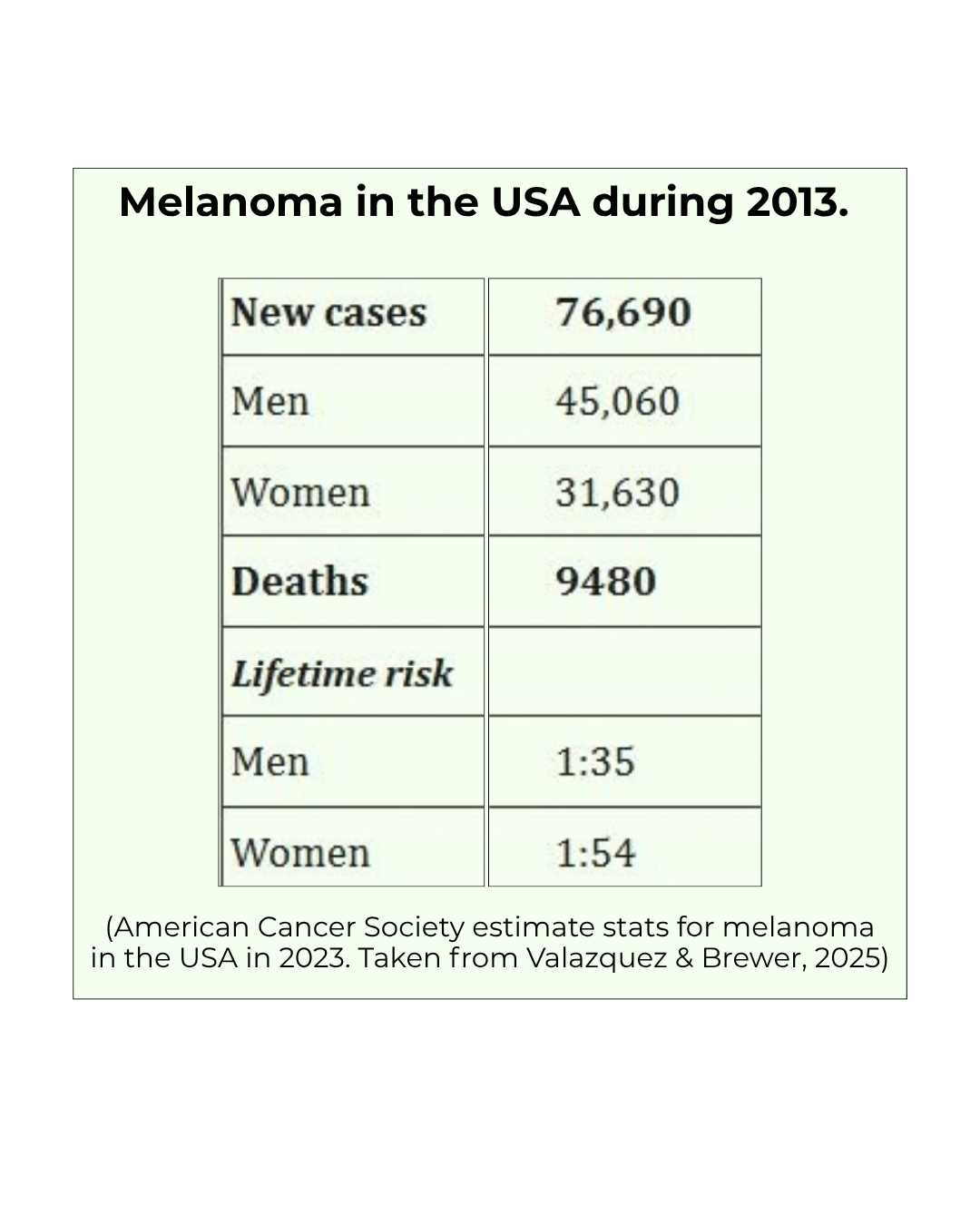
1) Age: The risk of most skin cancers rises very steeply with increasing age
2) Ancestry and heritage: This manifests mostly as pigmentation in the skin. A degree of pigmentation is a very strong protective factor for skin cancer.
We know from historical data that Melanoma really is a disease that is common only amongst European ancestry populations, particularly when they’ve migrated from their place of origin in sort of cloudy, subpolar Northern Europe, into places where there is far more ambient UV. Those Northern European skin types are just poorly adapted for that environment. Whereas people who trace their ancestry to those more tropical and equatorial regions have far lower rates of skin cancer.
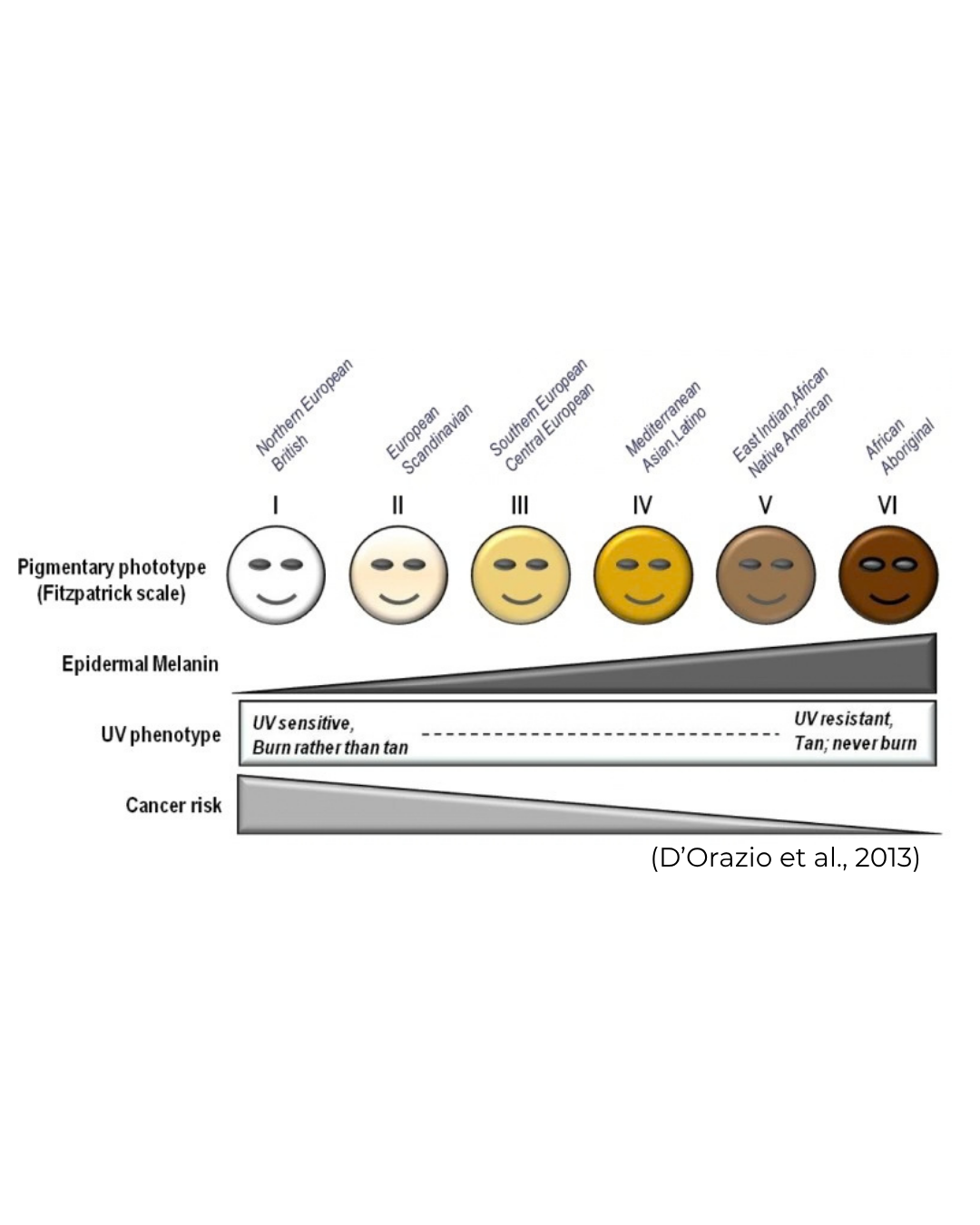
It’s not just about pigment. E.g. in Japan where folks have fair skin, they also have very low melanoma rates. It’s about pigment + ancestory.
The gradients are very clear in all populations, especially in populations where there's good cancer registration data that captures cancer incidence in large populations with diverse ancestries.
In countries with predominantly dark-skinned populations, incidence of melanoma is significantly lower. E.g. in Egypt it’s 0.22/100,000 VS 16 in the UK or 36.6 in Australia (International Agency for Research on Cancer)
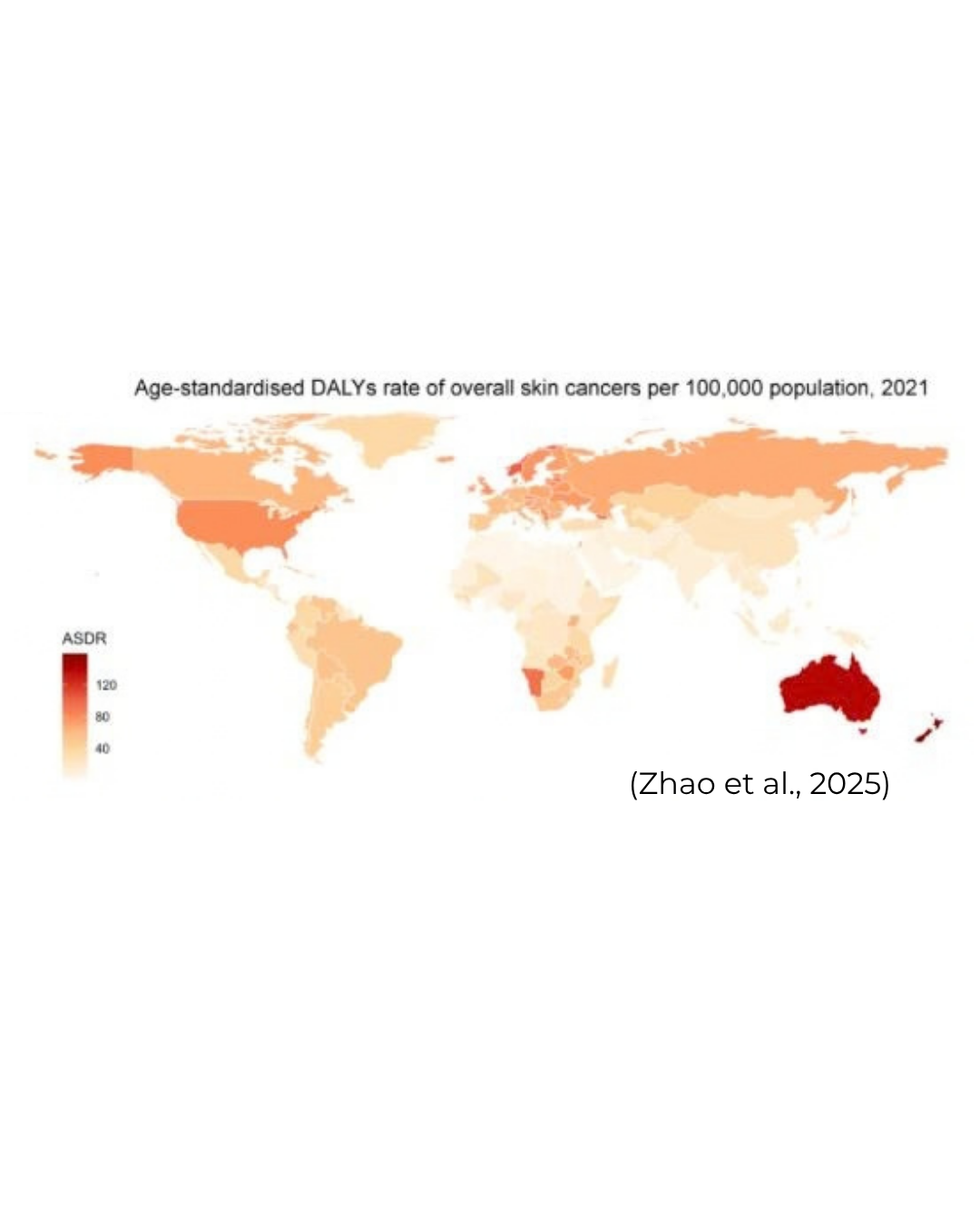
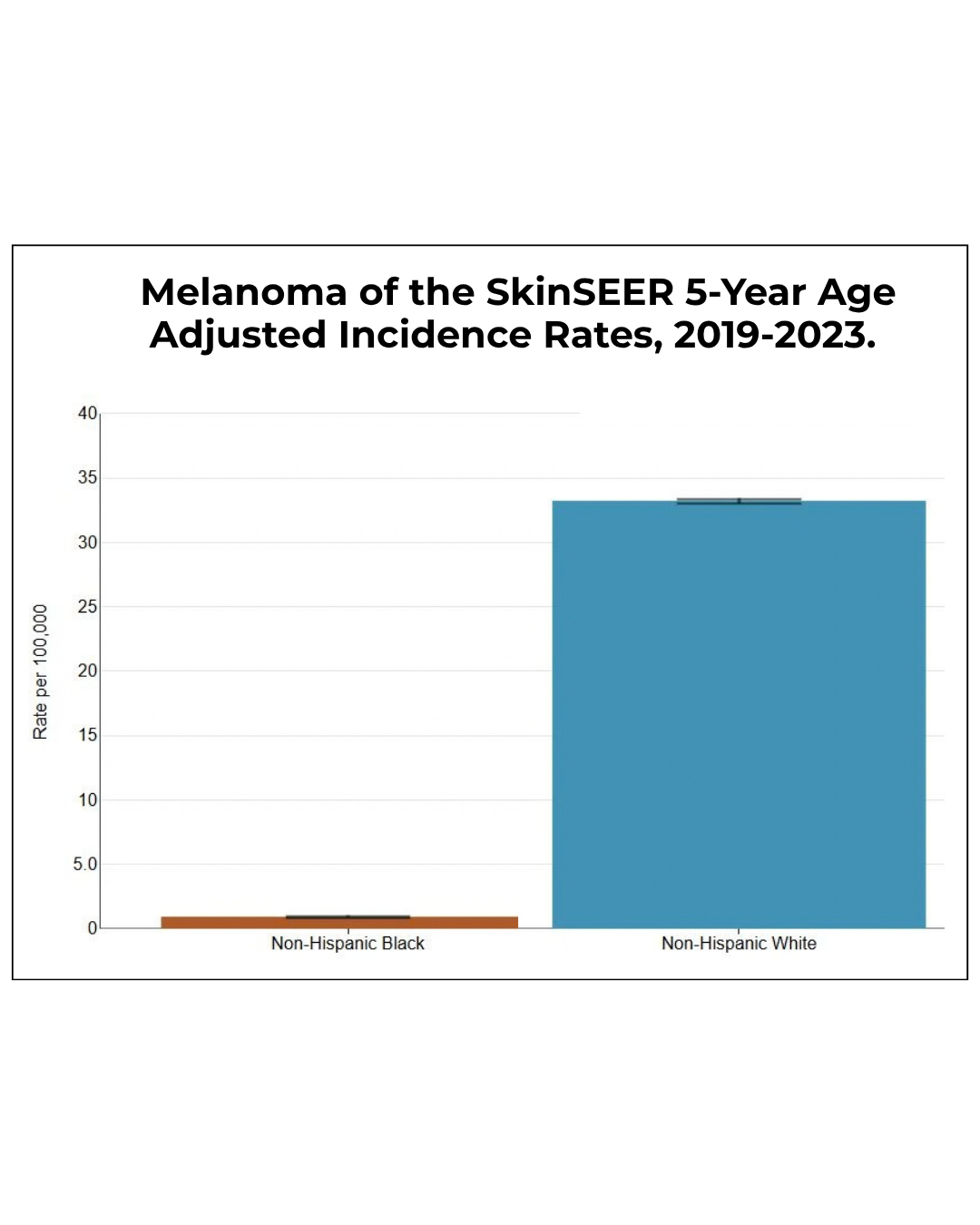
In the US, the rate of INVASIVE melanoma among non-Hispanic White Americans is approximately 37x higher than in Black people. If you include ALL melanoma you double that to 70x (Melanoma of Skin SEER 5-year Age-Adjusted Incidence Rates, 2019-2023)
Melanomas in Black individuals are more likely to arise on the palms of hand or soles of feet, which is not likely related to sun exposure, accounting for 26.6% of their melanomas, VS 1.3% in White individuals. (Carter et al., 2021)
What does this mean in the context of skin cancer prevention?
1) Sun protection is important! But that importance varies depending on the individual.
Sun protection is more important for lighter skinned individuals of European descent when it comes to skin cancer prevention. There is currently not good evidence that this practice has the same kind of skin cancer prevention benefits for darker skinned individuals - their skin cancers tend to not be related to sun exposure. For this group, there are still benefits to sun protection BEYOND skin cancer prevention - e.g. with different skin conditions like post-inflammatory hyperpigmentation.
2) And the benefits vs risks of sun protection also vary.
People do need a little bit of UV to produce vitamin D. The increased pigment in the skin that protects against UV translates to less vitamin D production. As a consequence, darker skinned individuals may be at an especially higher risk of vitamin D deficiency if they get too little sun exposure. E.g. in Australia, there are pockets of populations with very low vitamin D levels for parts of the year, which can cause adverse health outcomes such as rickets and osteomalacia.
The challenge of translating this to coherent public health messaging
In North America, we have a difficult time - at least our governing bodies - in framing some of these problems with nuance and being precise about the data. We almost feel like we need to be simplistic, even if it's incorrect, in order to benefit the largest number of people possible. But that may be a risky way of going about public health messaging. Because if it's obviously incorrect for certain groups, you might decrease trust in populations when it comes to listening to public health messaging.
In contrast, Australia has attempted to have more nuanced & graded recommendations, which includes:
For people with type one and type two skins that always burn and do not tan, basically people of Celtic ancestry, they're advised to always wear sunscreen on every day when the UV index is forecast to be three or more.
For people with skin types three or four, which is more tannable skin, they're advised to wear sunscreen when they're outdoors and when the UV index is forecast to be three or greater. But there are occasions of the day when they might go out without sunscreen or sun protection in order to generate vitamin D.
For people with skin types five or six darker skin types that rarely burn and are always pigmented, they're advised to be more able to go out into the sun.
Here’s what this all looks like (snipped from Australian Skin & Skin Cancer Research Centre, 2023):
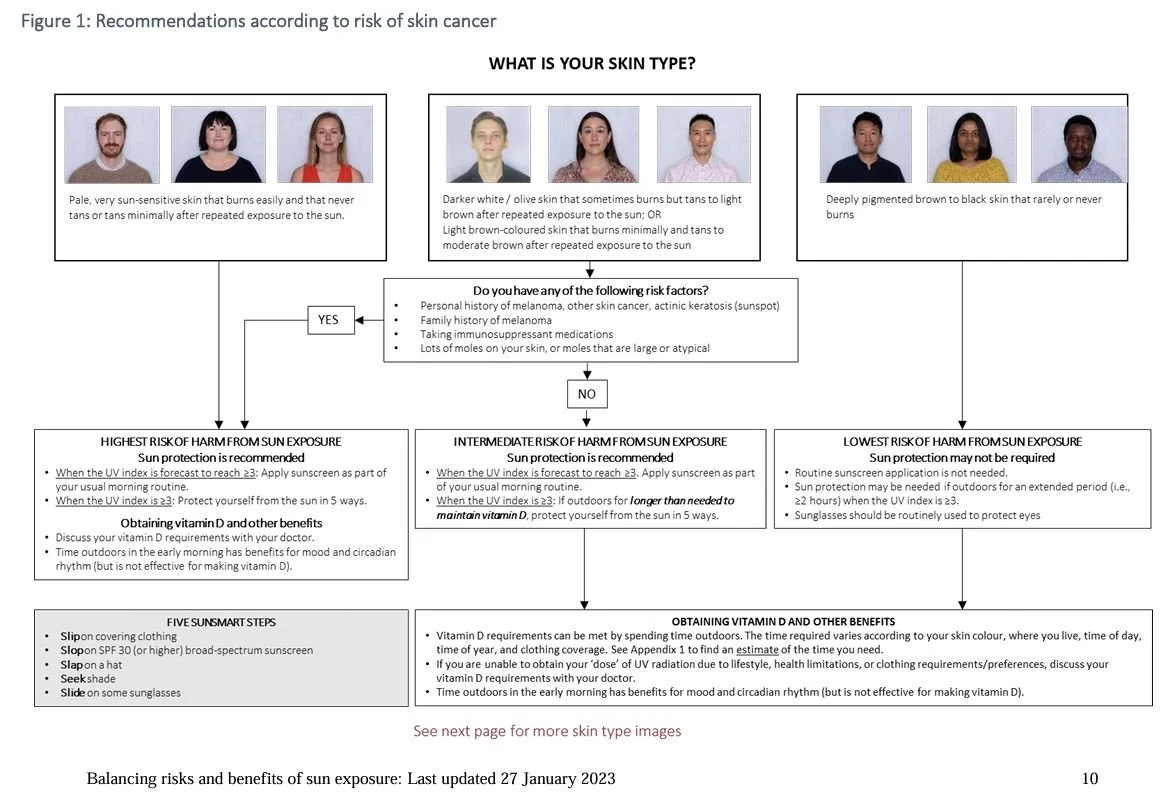
It's quite a nuanced message which is very hard to get out as a public health strategy. And Australia is grappling with that complexity now.
E.g. Messaging to Kids
In Australia, there's pretty good sun protection programs in schools. Most schools have a no hat, no play policy. Increasingly, in Australia, like in many countries, they have people from all over the world in large populations. In southern Australia, which has a relatively high latitude and low sunlight in summer, there’s kids from Sudan and other places with very deeply pigmented skin who are now becoming vitamin D deficient and at risk of bony metabolism problems because their vitamin D is too low. Teachers saying those kids need to cover up is not in their best interest. But it makes it hard for teachers if some kids are not allowed not to wear a hat and other kids must wear a hat. It has overtones of all sorts of bias and potential stigma.
These are really difficult policy decisions and settings to get right, especially in educational settings where kids are vulnerable. You’re balancing psychological safety, physical safety; creating the best possible health policy is hugely complicated but shouldn’t be insurmountable.
For these reasons, Australia recommendations are currently for adults, with children excluded. This is very complicated, since the science is strong on the importance of exposure to the sun in childhood for future risk of melanoma. That's a key time to protect kids.
What about Bob Marley!?
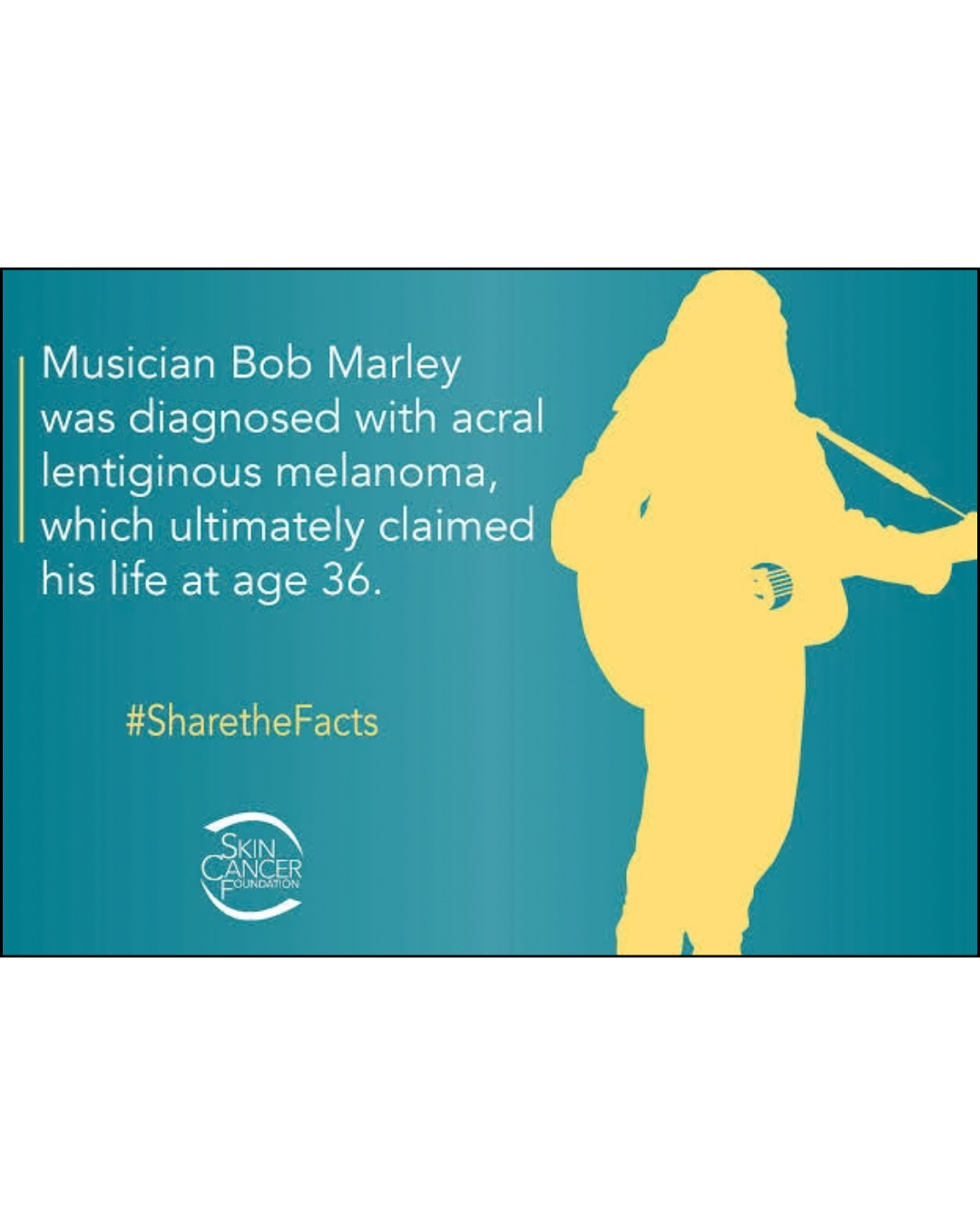
It’s unfortunate that he is trotted out so often as an example of how people of color are also at risk for skin cancer. Yes, he died from cancer. But the specific cancer he died from is not related to sun exposure. Sun protection would not have saved his life.
This distracts from finding reasons why people of color develop melanoma…
There is no evidence that UV damage causes Acral melanomas, of the kind Bob Marley had. We currently don't know why they arise - that's an unanswered question, which is unsettling to a lot of people.
Why do countries have different guidelines?
People are people. Different countries, different jurisdictions, different groups of experts come together at different points in time, and they do their best under their own conditions and circumstances. They’re all well motivated, but it is confusing for consumers and the public and clinicians when messages conflict with one another and different groups of experts can land on slightly different recommendations.
Increasingly, many places (in Australia) are trying to find consensus frameworks to bring these conflicting bodies and groups together and work through the differences. Australia’s consensus statement brought together 14 different organisations, dermatologists, general practitioners, Cancer Council, Endocrinology Society, Bone and Mineral Society, and Public Health Society. Where their guidelines landed was around basing it on UV index, which is an absolute measure. It doesn't matter where you live, you can measure the UV index.
Disclaimer, Australia’s attempts to work in this way has spanned back around 20 years. This has been an ongoing effort!
Key Takeaways:
Skin cancer remains a public health problem in many parts of the world. Skin cancers are largely preventable, not 100%, but largely preventable. We can prevent them through reducing our exposure to the sun. If you see changes on your skin, spots, lesions that are changing, do get them seen because it could be a skin cancer and it could be something that could kill you. So don't leave it.
The discussion around skin cancer prevention is really nuanced. A little bit of something is okay, but a lot of something in either direction - i.e. no sun exposure or too much sun exposure is bad. We need to balance the harms and benefits and find the right setting for our own personal circumstances. We don't need to be so afraid of the sun that we don't do things like have a picnic or exercise outside - these are very beneficial to the human condition. At the same time, we should be aware of things like: how strong is the sun? How sensitive is the skin? We can take the right kinds of precautions with sun protection while not letting one specific type of cancer crowd out every other aspect of your life.
You can also find the discussion on our podcast blog here!
Additional References:
Australian Skin and Skin Cancer Research Centre. (2023). Position Statement Balancing the harms and benefits of sun exposure.
Carter, T. M., Strassle, P. D., Ollila, D. W., Stitzenberg, K. B., Meyers, M. O., & Maduekwe, U. N. (2021). Does acral lentiginous melanoma subtype account for differences in patterns of care in Black patients?. The American Journal of Surgery, 221(4), 706-711.
D’orazio, J., Jarrett, S., Amaro-Ortiz, A., & Scott, T. (2013). UV radiation and the skin. International journal of molecular sciences, 14(6), 12222-12248.
Melanoma of the Skin SEER 5-Year Age-Adjusted Incidence Rates, 2019-2023 By Race/Ethnicity, Both Sexes, All Ages, All Stages
Zhou, L., Zhong, Y., Han, L., Xie, Y., & Wan, M. (2025). Global, regional, and national trends in the burden of melanoma and non-melanoma skin cancer: insights from the global burden of disease study 1990–2021. Scientific reports, 15(1), 5996.
Valezquez, A & Brewer, J. (2025). The epidemiology of melanoma in young adults. Expert Rev Dermatol. 2013;8(6):707–716.