Animal Testing in Beauty?! A 2026 Update
There’s a lot of noise about the current state of animal testing in beauty. In this post, I’ll break down the important topics you need to know about if you want to start to understand what’s happened/is happening. A 2026 update about where things are currently at!
For some groundwork, we need to start with why we started testing on animals.
Part 1 - The Dark History of Cosmetics Safety.
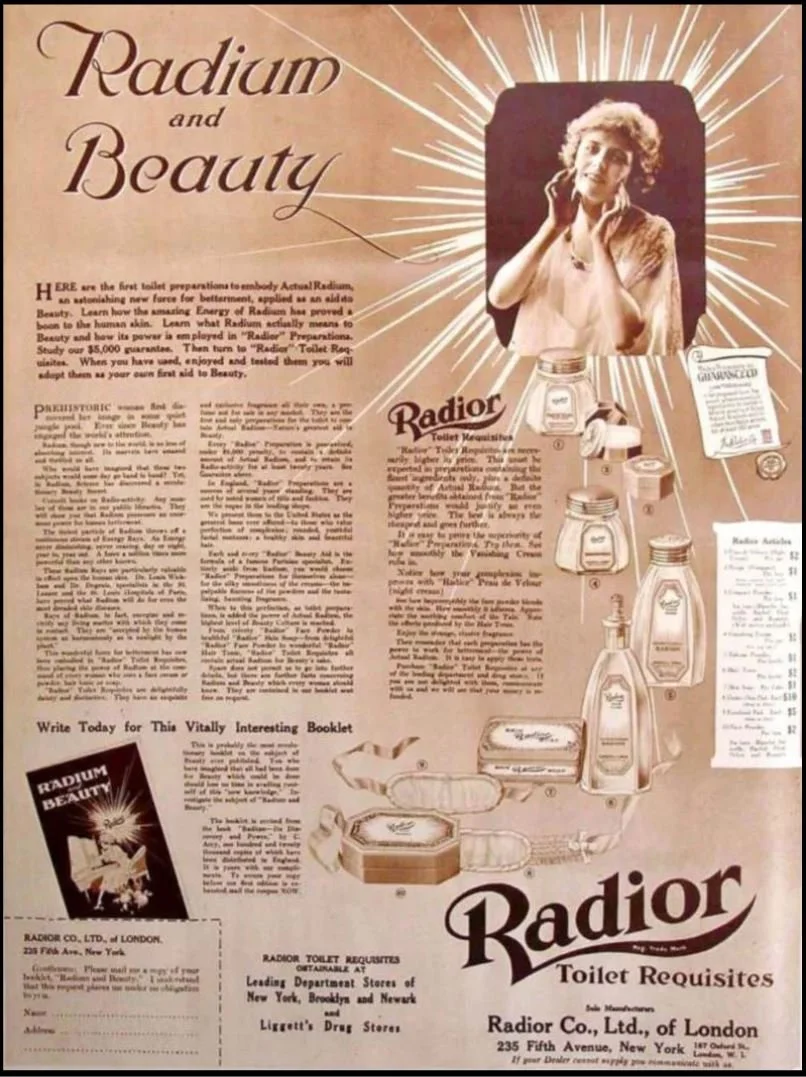
From the 18th century’s use of lead carbonate in makeup to the use of radium in the 1920s and 30s; many deaths in the name of beauty. Many of these practices stemmed from ignorance. We had no idea the safety risks when these products were placed on the market. Regulations are often seen as painted in blood... Turns out, safety validation for products on the market is super important to keep people safe!
Historically animals have been used as an indicator of safety. E.g. canary in the coal mine, or royalty using pets to test food for poison.
Part 2 - Why not test on humans?
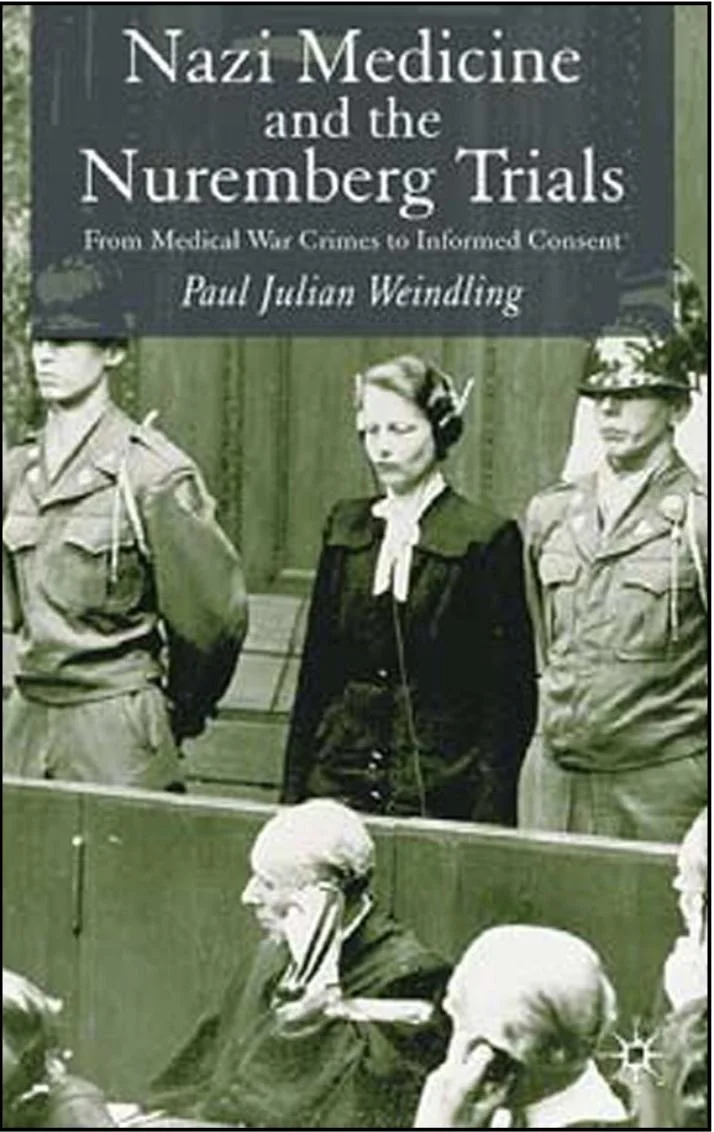
We did. E.g. Nazi germany. Nazi’s cared a lot about animal welfare, so they used people they thought were less important.
Resulted in the Nuremberg Code: a set of ethical research principles for human experimentation.
1st principle - you need consent.
2nd principle - the experiment must be useful to society and not attainable in any other way.
3rd principle - human experiments should be based on animal experiment results.
You don’t want to test on humans (e.g. clinicals) until you have safety confidence. At the time, alternative animal experiments and in-vitro testing didn’t exist. This is the basis for animal safety testing in cosmetics and beyond.
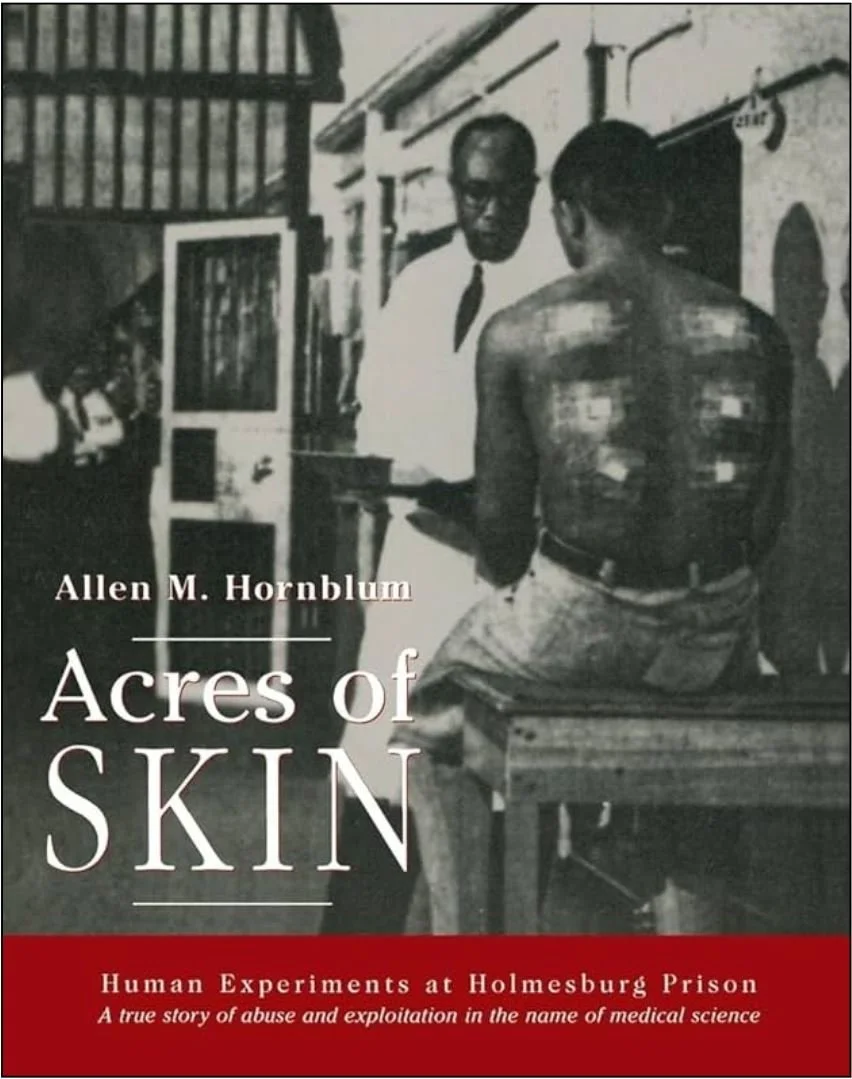
Sadly, this did not end human experimentation. E.g. Kligman’s Acres of Skin from 1951-1974, where prison inmates in Philadelphia underwent non-therapeutic medical experiments.
The logics of animal testing
Other animals are similar to us. Biological complexity that has yet to be replicated in alternative test methods. They can be studied throughout their life span/across generations.
Animal research continues to be required in drug development to demonstrate safety and efficacy before starting human research. This is less relevant to cosmetics, where there are bans. Nonetheless, the cosmetics industry is paving the way to a future with no animal testing with our disproportionate investment into alternative test methods.
The OECD sets out testing guidelines, which are predominantly non-animal methods, with animals only used when the non-animal methods aren’t sufficient. They currently have a call to action for the urgent resources needed to support new safety testing method validation in order to reduce the use of animals and better protect human and environmental health. Drug testing methods are set out by the International Conference on Harmonization (ICH). Here, animals predict phase 1 human trial safety with roughly 90% average accuracy.
Note, the last time I posted this a whole bunch of people got mad at me that these are my beliefs or something. This is just how it is ATM. Sorry.
History of alternative (non-animal) safety testing methods
Kicked off with 1959 publishing of the principles of humane experimental techniques by Russel and Burch; introduced concept of three r’s, reduction, refinement and replacement of animal testing. Laid the foundation.
1961: humane research fund established in the UK to support scientific development of alternatives
1980s: development of the 3D reconstructed skin calls or skin tissue constructs, which allowed for development of many tests that used it for toxicity testing.
1981: first alternative to the Draize test based on ex vivo eyes from slaughterhouses
1990s: development of the epiocular test that’s commonly used as an invitro test based on cell lines - e.g. reconstructed human corneal like epithelial cells in tissue constructs.
Many other tests came after but these were major milestones for the development of alternatives.
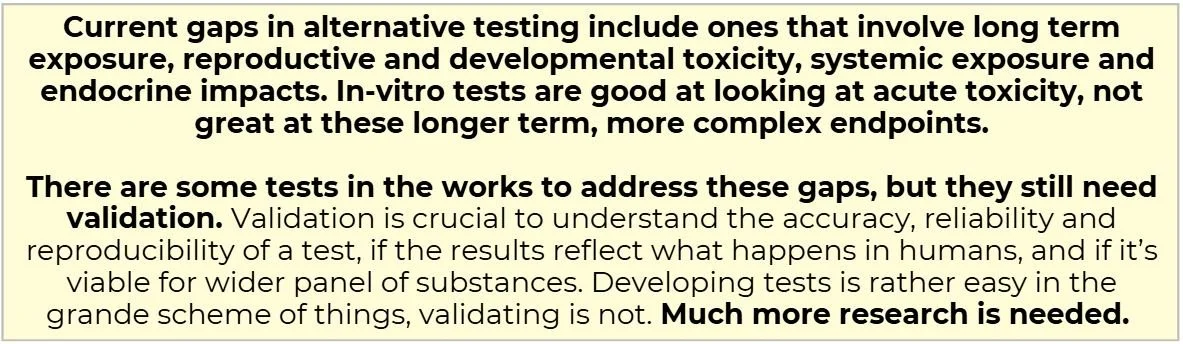
Misconception: there are alternatives to every safety test. There are not.
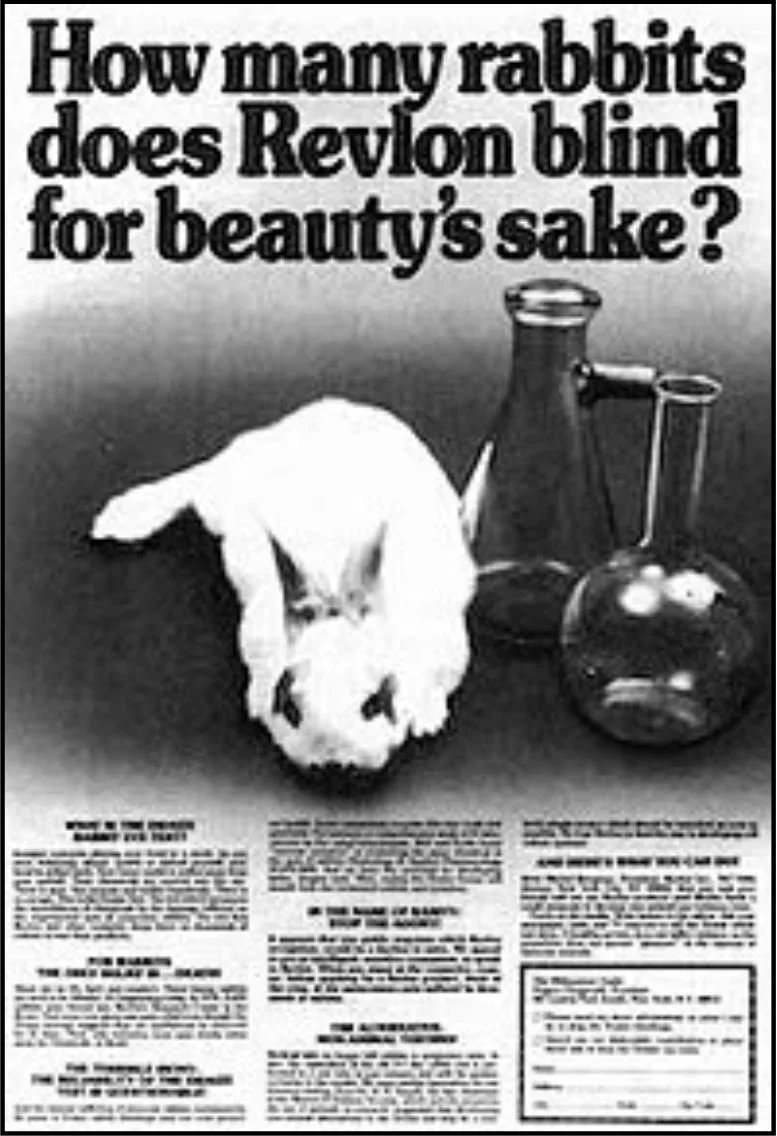
The development of non-animal safety testing methods has disproportionately come from the cosmetics industry.
Part of this stems from the attention animal testing for cosmetics has historically received.
Prompted by 1980s activism, famously by Henry Spirra who published an ad about Revlon’s use of the Draize test which forced them to start innovating alternative testing methods. This ad bolstered an activism movement that brought wider public attention to animal testing practices.
There was also already interest in the scientific community i.e. the 1961 Humane Research Fund, to develop non-animal safety testing methods (see last page)
This all led to a slew of animal testing bans, beginning in the UK in 1998
History of Animal Testing Bans
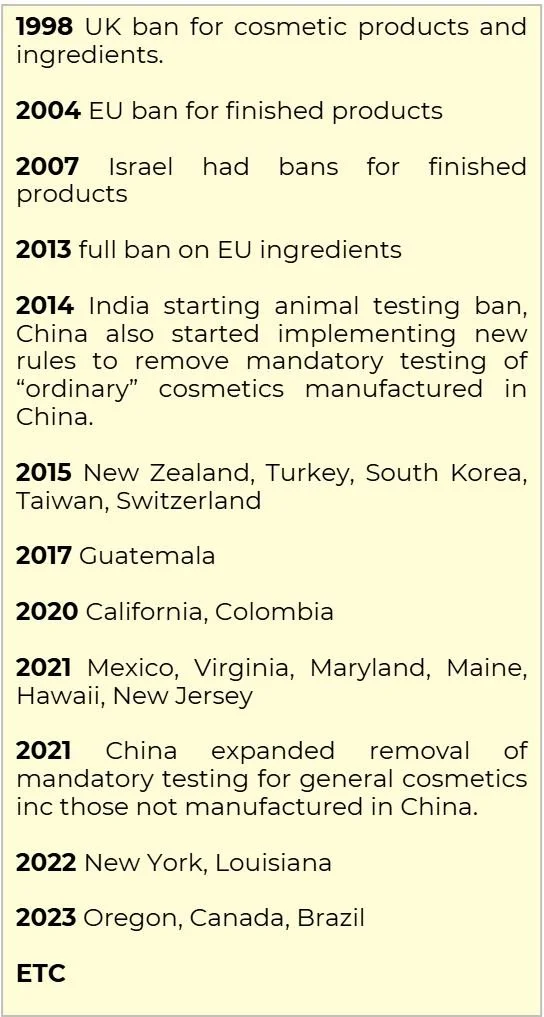
Important notes:
Due to historical bans, very little animal testing has happened in cosmetics since the EU full ban in 2013.
Note, animal testing is also expensive and consumers don’t want to see it. No cosmetic company wants to have their products tested on animals. It makes zero business sense.
The alternative testing methods that have been developed in the cosmetics industry will be useful for many other industries, including pharma. The cosmetics industry has invested disproportionately more into non-animal safety testing methods compared to any other sector.
WHAT ABOUT CHINA!?
Due to the limitations of non-animal testing methods, the Chinese government has historically not trusted data from these methods. There has been a huge shift in this over the last decade.
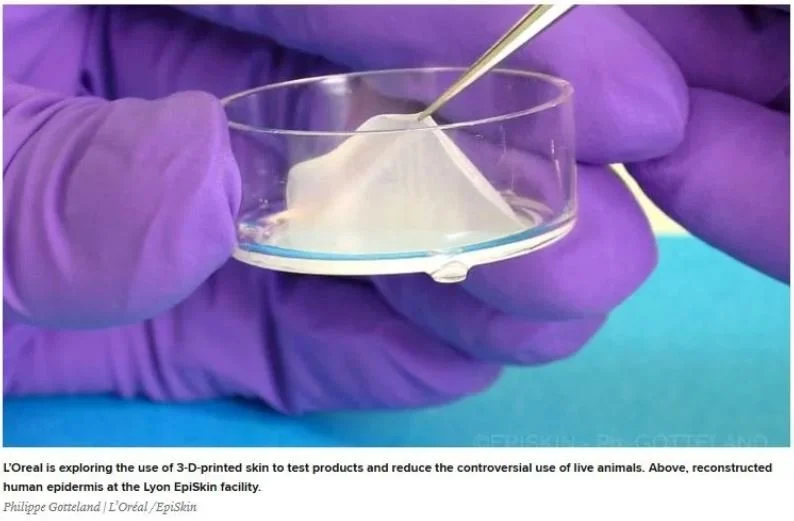
Much of this shift stems from the development of non-animal testing methods, and the demonstration of their effectiveness. Particularly from the big guys who were developing the tests and providing data.
L’Oreal did a lot of the lifting in this market with EpiSkin Labs, which operates in China. They’ve provided reconstructed human skin models to the Chinese government, and have had a huge influence in direct lobbying for alternative methods. They’ve been doing this for over 50 years, trying to pioneer different safety predictive tools for this market.
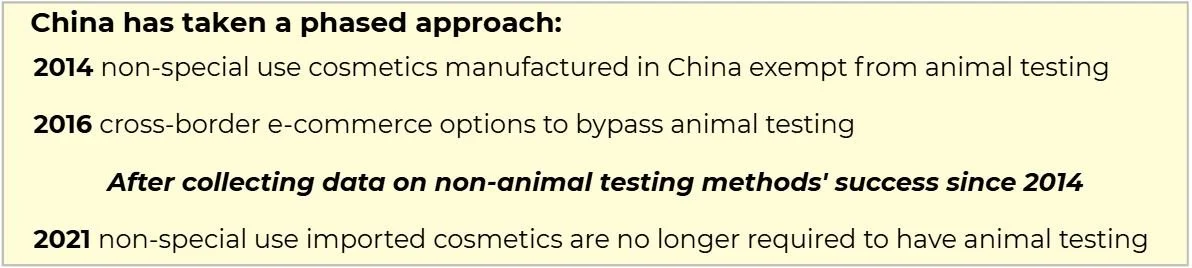
Exemptions = higher risk products. I.e., products that are “special use” (e.g., sunscreen, hair dyes), intended for kids, if the company has a safety issue, new ingredients (this is complex and depends on the ingredient and supplier).
Conditions: must be a general cosmetic, must have GMP certificates from a third party, and must have completed a safety assessment to show the product is safe.
(This slow speed/phasing approach is due to how risk-averse China is when it comes to protecting its public.)
The current EU Cosmetics Regulations vs REACH Conflict
REACH= EU chemical legislation for registration, evaluation and authorisation of chemicals. If there is a certain tonnage of a chemical in the market, registration with REACH is required. Part of this registration may involve animal testing if no suitable non-animal testing method exists (e.g. reproductive & developmental toxicity testing). Seperate from cosmetic regulations (which focuses on consumer safety). REACH is focused on environmental and worker safety. REACH superseeds cosmetic regulations in the EU.
There has been a lot of messy back and forth about this. Under cosmetics regulations in the EU, animal testing is banned, but under REACH, it may be required by regulators. This all came to a boiling point when, in 2021, REACH notified an ingredient supplier, Symrise, that they needed animal testing. Symrise pushed back in court since their ingredient was developed solely for cosmetics, and so this would render their ingredient unusable due to cosmetic regulations. Eventually, the European Commission concluded this wasn’t a problem since the safety data wouldn’t be used to inform consumer safety, which is what cosmetics regulations are concerned about. Even Leaping Bunny has made provisions to accept ingredients that were forced by authorities to test on animals in their certification.
Notes:
There are still routes to avoid animal testing if regulators request it.
This only applies to ingredients, and it only applies to an extremely small amount of ingredients, particularly newer ones that meet the tonnage threshold.
Most ingredients have historical animal testing safety data; it just happened before the animal testing bans.
Yah, it’s messy.
This is just the tip of the iceberg - for loads more, tune into the podcast associated w/ this post!
Current Prevelance of Animal Testing in Beauty in 2026
For Ingredients:
As highlighted, ingredients may still be tested when there are no animal-free replacements possible. This isn’t common, and stems from different regulatory decisions... Important, at some point, most cosmetic ingredients have been tested on animals. For the old ones that aren’t under this pressure - this was just were done before all the bans...
For Cosmetics:
If they’re not considered a “special use”, higher risk (e.g. for kids) or quasi drug, you can be confident the product wasn’t tested on animals. For the former, work is still underway to give regulators confidence in non-animal safety testing methods. E.g. for quasi drugs in Japan, Sheseido is doing a lot of heavy lifting in this market.
There has been a steep decline globally over the last 30 years.
From a pure greed POV, animal testing is very expensive. Companies wouldn’t want to spend extra money, especially when it means consumers wont want to use their products...
Did you know?
“Cruelty free” has no legal definition. It also spreads a lot of consumer confusion as to what is happening in beauty. Personally, I view “cruelty-free” as a red-flag deceptive claim. It makes me think twice about buying from a brand. Slapping it on your label is comparatively easy. Actually doing something to reduce animal testing in beauty? WAY harder... This claim distracts from the entities putting in the actual work to change things.
Did you know?
The companies often vilified the most have done the most to move the entire industry away from animal testing. And other industries, since their testing methods will now be useful for, e.g., pharma, which is significantly more reliant on animal testing than beauty.
e.g. the reason China has shifted away from animal testing wasn’t due to international protesters or tiny brands making superficial cruelty free claims. It was from the billions of dollars of investment from the big guys, and their economic presense & demonstration in this market.
Know what you’re asking for!
I find it interesting that the same people that are so concerned with buying “cruelty free” are also concerned with cosmetics causing endocrine disruption, and that we need more safety data... There are not currently validated non-animal safety tests available for this end point.......................
(we also have very compelling evidence that the exposure scenarios relevant to cosmetics don’t actually translate to an actual endocrine disruption impact so.......)
Insights from this post based on my latest podcast, a roundtable on Animal Testing in Beauty: a 2026 Update. Featuring global brand regulatory expert, Jonathan Reynolds & regulatory toxicologist from the ingredient side of things, Barae Jomaa PhD ERT. If you want more details on this topic from reputable people who are deep in the weeds of this topic, the episode is definitely worth a listen!
Additional References
Lansiedel, R., and Hill, E. (2024). The Future of Animal Testing. Presentation at The Eco Well’s Future of Beauty E-Summit. Replay available here (if your really want to get into the weeds of this topic, this would be a great next stop!): https://www.theecowell.com/blog/futureofbeautysummitreplay
Jomaa, B. (2025). Endpoints Lacking Animal-Free Alternatives Under REACH and the Remaining Challenges. Journal of the Netherlands Society of Toxicology, 2(2), 1-7.
Fentem, J., Malcomber, I., Maxwell, G., & Westmoreland, C. (2021). Upholding the EU's commitment to ‘animal testing as a last Resort'Under REACH requires a paradigm shift in how we assess chemical safety to close the gap between regulatory testing and modern safety science. Alternatives to Laboratory Animals, 49(4), 122-132.
L’Oreal China. Milestones on non-animal safety testing with skin engineering. https://www.lorealchina.com/zh-cn/taiwan/pages/group/our-purpose-tw/for-beauty-with-no-animal-testing-tw/milestones-in-the-safety-assessment-without-animal/